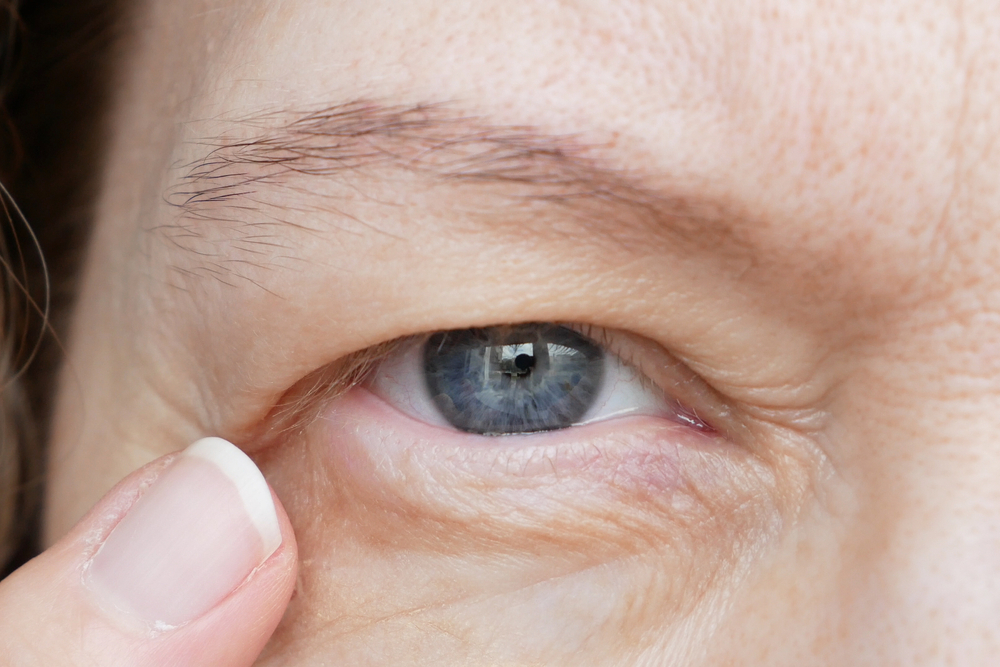
Many of the traits we inherit from our parents are easy to recognize. You may have your mother’s eyes, your father’s nose, or the same smile as a sibling. Genetics can also influence the shape of your eyelids and how early the skin around the eyes begins to sag.
For some people, drooping eyelids are mostly a cosmetic concern. They can make the eyes look tired, heavy, or older than they feel. For others, excess upper eyelid skin can gradually become a functional vision problem, making it harder to see clearly in the upper or outer parts of their field of vision. At Southside Eye Care, patients can receive a thorough evaluation to determine whether drooping eyelids are affecting their vision, comfort, or appearance. If you are wondering what to do about drooping eyelids, the first step is understanding whether the issue is cosmetic, functional, or both.
What Causes Drooping Eyelids?
Over time, a combination of genetics, aging, skin laxity, and gravity can cause this skin to stretch and fold. As the tissue becomes heavier, it may begin to hang over the natural eyelid crease or even rest on the eyelashes.
Drooping eyelids may also be influenced by:
- Family history of hooded or heavy eyelids
- Natural loss of skin elasticity
- Low-brow position
- Eye rubbing or chronic irritation
- Prior eye injury or surgery
- Certain medical or muscle-related conditions
Some people inherit a naturally hooded eyelid shape, while others develop excess skin over time. Either way, drooping lids can affect both appearance and vision.
Symptoms of Drooping Upper Eyelids
Common symptoms may include:
- Heavy or tired-feeling eyelids
- Excess skin resting on the eyelashes
- Hooded eyes
- Difficulty seeing in the upper or side field of vision
- Needing to raise the eyebrows to see more clearly
- Forehead strain from constantly lifting the brows
- Trouble reading or driving comfortably
- Difficulty applying eye makeup
- Skin irritation where folds rub together
- Eyes that appear tired, sad, or older than you feel
Cosmetic Drooping Eyelids
Cosmetic eyelid concerns are usually related to appearance. Patients may feel their upper eyelids look:
- Puffy
- Heavy
- Hooded
- Tired
- Aged
- Asymmetrical
In these cases, treatment may help create a more open, rested, and refreshed appearance while preserving the eyes’ natural character.
Functional Drooping Eyelids
Functional eyelid concerns occur when excess skin or drooping tissue affects vision. The goal of treatment is not simply to change how the eyelids look, but to remove the tissue that is interfering with sight.
Signs that drooping eyelids may be functional include:
- Reduced peripheral vision
- Difficulty seeing above or to the side
- Trouble reading because the eyelids feel heavy
- Eyelids interfering with driving
- Brow strain from trying to hold the eyes open
- Excess skin weighing down on the lashes
Treatment Options for Drooping Eyelids
The right treatment depends on the cause of the drooping, how much it affects your vision, and your personal goals. Some patients may only need monitoring, while others may benefit from a surgical procedure.
Lifestyle and Eye Care Measures
Mild eyelid heaviness may be managed by addressing contributing factors, especially if irritation or inflammation is worsening the heaviness. Helpful steps may include:
- Treating allergies that cause frequent eye rubbing
- Managing dry eye symptoms
- Wearing UV-protective sunglasses
- Protecting the eyelid skin from sun damage
- Avoiding smoking
- Scheduling regular eye exams
These steps cannot reverse significant excess eyelid skin, but they can support overall eye and skin health.
Blepharoplasty
Blepharoplasty is eyelid surgery that removes the excess skin, and sometimes small amounts of fat or tissue, from the eyelids. For upper eyelid dermatochalasis, the procedure is designed to reduce the heavy fold of skin that hangs over the eyelid.
Upper eyelid blepharoplasty is commonly performed as an in-office or outpatient procedure. The incision is usually placed in the natural crease of the upper eyelid, helping the scar blend into the eyelid fold as it heals.
Depending on the patient’s needs, blepharoplasty may help:
- Improve the upper field of vision
- Reduce eyelid heaviness
- Decrease hooding over the eyes
- Create a more rested appearance
- Improve symmetry
- Make the eyes feel more open
What to Expect During Upper Eyelid Surgery
Blepharoplasty is generally a straightforward procedure, but it still requires careful planning and precision. Your surgeon will mark the excess skin to be removed, taking care to preserve proper eyelid function and a natural-looking result.
The procedure may involve:
- Local anesthesia, sometimes with light sedation
- A small incision hidden in the eyelid crease
- Removal of excess upper eyelid skin
- Conservative adjustment of fat or tissue when needed
- Fine sutures to close the incision
Recovery After Blepharoplasty
Recovery is usually manageable, but patients should expect temporary bruising, swelling, and mild tightness around the eyelids. Many people return to normal light activities within several days, although healing continues for a few weeks.
Common recovery instructions may include:
- Using cold compresses as directed
- Keeping the head elevated
- Using prescribed ointment or eye drops
- Avoiding strenuous activity for a short time
- Avoiding rubbing the eyes
- Wearing sunglasses outdoors
- Attending follow-up appointments
Bruising and swelling typically improve over one to two weeks. Incision lines continue to fade over time and are usually well hidden in the natural eyelid crease.
Improve Appearance and Vision with Treatment for Drooping Eyelids in Chesapeake, VA
Drooping eyelids may be something you inherited, but that does not mean you have to live with blocked vision, heavy lids, or eyes that always look tired. If excess eyelid skin is affecting your appearance, comfort, or ability to see clearly, an evaluation can help determine whether blepharoplasty may be right for you.
Call Southside Eye Care at (757) 484-0101 today to schedule an appointment and learn more about your options for drooping eyelids.