Glaucoma is a group of related diseases that damage the optic nerve, resulting in vision loss and possible blindness. Glaucoma, a leading cause of blindness and visual impairment in the United States, can affect patients of all ages. Many people affected with glaucoma do not experience any symptoms and may not be aware that they have the disease until they have lost a significant amount of vision. With early detection and treatment, however, eyes can be protected against the serious loss of vision or blindness. Catching glaucoma at an early, treatable stage is one important reason to have thorough eye examinations regularly.
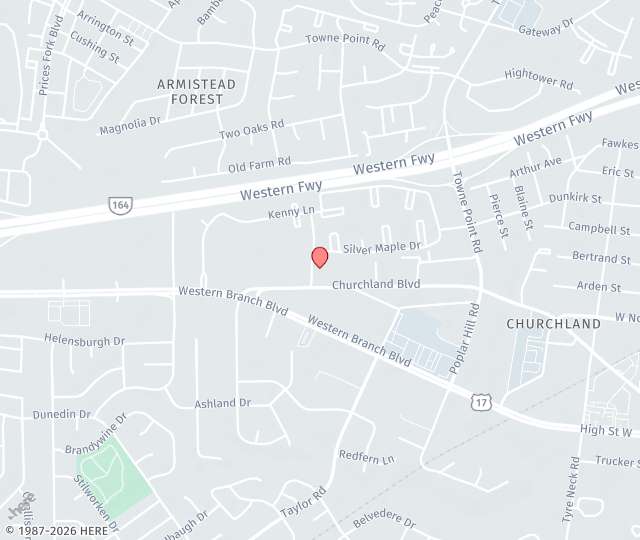
If you are suffering from glaucoma in Chesapeake, VA and surrounding areas, contact Southside Eye Care today to schedule an appointment. Our top doctors are ready to leverage their experience and talents for your benefit!
Types Of Glaucoma
There are several types of glaucoma. The two major types are primary open-angle, in which fluid drains too slowly from the drainage channels (trabecula) of the eye, and angle-closure (narrow-angle), which occurs when the trabecula become blocked. Approximately 95 percent of patients suffer from primary open-angle glaucoma. Other types of glaucoma, which occur much more rarely, include:
-
Low Tension
-
Congenital
-
Secondary
-
Pigmentary
-
Pseudoexfoliation
Causes & Risk Factors
Certain diseases or conditions can also contribute to the development of glaucoma. These include:
-
Increased pressure within the eye
-
Severe eye infection
-
Injury to the eye
-
Blocked blood vessels
-
Inflammatory conditions of the eye
Glaucoma is considered primary if its origin is unknown and secondary if it results from another medical condition.
There are several factors that increase the risk of developing glaucoma, including:
-
Being over 60
-
Being of particular descent, such as African-American or Asian
-
Having a family history of glaucoma
-
Having elevated intraocular pressure
-
Having poor vision or other eye disorders or injuries
-
Having certain medical conditions, like diabetes
-
Taking certain medications, such as corticosteroids for prolonged periods
Patients with risk factors for the disorder should be especially vigilant about having regular eye examinations.
Symptoms of Glaucoma
It is important to remember that patients with early stage glaucoma are most often asymptomatic. When symptoms occur, they vary depending on the type and can occur in one eye or both eyes. The symptoms of open-angle glaucoma include:
-
Dim or blurred vision
-
Gradual loss of peripheral vision
-
Tunnel vision (at advanced stages)
The symptoms of angle-closure glaucoma encompass systemic, as well as eye symptoms, including:
-
Severe eye pain
-
Nausea and vomiting
-
Sudden visual disturbance
-
Blurred vision
-
Halos around lights
-
Red eyes
-
Headache
Either type may be a primary or secondary disorder.
Diagnosis
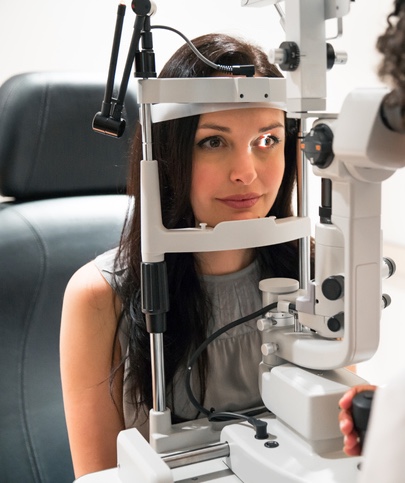
The diagnosis of glaucoma is made after a comprehensive medical examination of the eye and a review of the patient’s medical history. Tests are conducted to confirm the diagnosis. Testing may include some of the following:
-
Tonometry
-
Dilated eye examination
-
Visual field test (perimetry)
-
Retinal evaluation
-
Pachymetry
-
Gonioscopy
-
Visual acuity test
Once glaucoma has been diagnosed, treatment should begin as soon as possible to help minimize the risk of permanent vision loss.
Glaucoma Treatment
There is no cure for glaucoma, so treatment focuses on relieving symptoms and preventing further damage. Some of the treatment methods are as follows:
Medication
Eye drops or oral medication may be used to either reduce fluid production in the front of the eye or to help drain excess fluid. Side effects of the medication may result in redness, stinging, irritation or blurred vision. Regular use of the medication is needed to keep the eye pressure under control.
Laser Surgery
Trabeculoplasty, iridotomy or cyclophotocoagulation are laser procedures that aim to increase the outflow of fluid from the eye or eliminate fluid blockages.
Other Surgery
A trabeculectomy may be used to create a new channel to drain fluid from the eye and reduce the pressure that causes glaucoma. Surgery is performed only after medication and laser procedures have been unsuccessful.
While patients with early stage glaucoma may not experience any symptoms, prompt treatment is required to preserve their vision.
What People Say About Us!
“Dr. Hallberg is amazing! He takes the time to answer any questions and is very thorough! The whole staff are very friendly and they do not make you wait! Great experience, I highly recommend them!”
– C.H.
Click here to read more reviews.
Why Choose Southside Eye Care
At Southside Eye Care, your vision and overall eye health are our top priority. Our mission is to help every patient achieve and maintain their best possible vision through individualized care and attention to detail. From the moment you walk through our doors, you’ll experience our commitment to exceptional patient care, supported by skilled, certified technicians who assist with advanced diagnostic testing and procedures. Many of our team members pursue accreditation through the Joint Commission on the Accreditation of Healthcare Personnel in Ophthalmology (JCHAPO), ensuring the highest standard of clinical excellence.
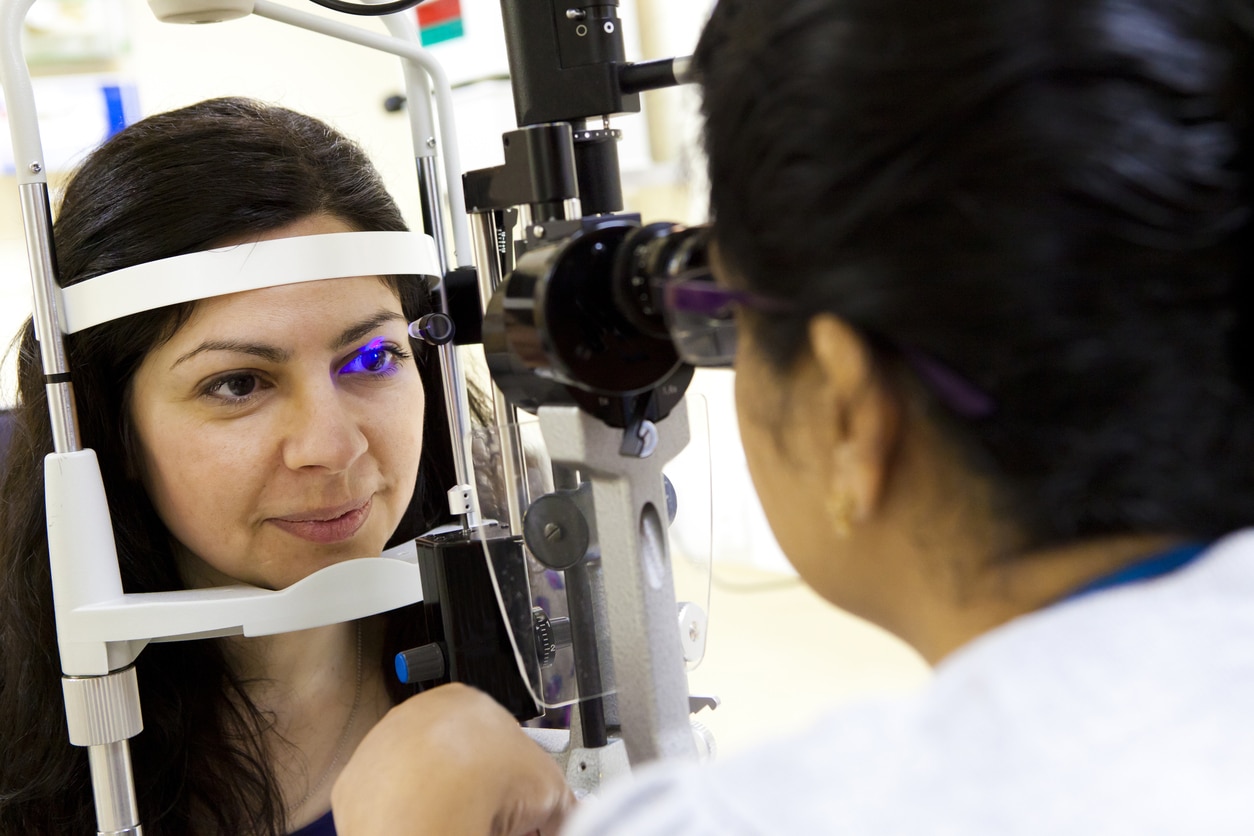
Our experienced physicians bring decades of combined expertise in diagnosing and treating glaucoma. Dr. Michael Keverline is board-certified ophthalmologist specializing in medical, surgical, and minimally invasive glaucoma treatments, supported by extensive training at top institutions. Dr. Theodore Hallberg, a seasoned Doctor of Optometry, has been providing comprehensive family eye care at Southside Eye Care for over 20 years. Together, our team offers compassionate, thorough, and cutting-edge care, so you can feel confident that your glaucoma management is in the hands of dedicated professionals who prioritize your long-term vision and well-being.
Frequently Asked Questions
How often should I be screened for glaucoma?
Typically, adults should have a comprehensive eye exam every one to two years. Those at higher risk may need screenings annually or as recommended by their eye doctor. Regular screenings are essential because glaucoma often develops without symptoms.
What happens if glaucoma is left untreated?
Without treatment, glaucoma can cause progressive and permanent optic nerve damage, resulting in vision loss. Over time, this can result in narrowed peripheral vision and potentially complete blindness. Early detection and consistent management are the best ways to preserve vision.
Is vision loss from glaucoma reversible?
Unfortunately, no. Any vision lost from glaucoma cannot be restored because the optic nerve damage is permanent. However, timely treatment can stop or slow further vision loss, helping protect the eyesight you still have.
Are glaucoma eye drops safe?
Yes. Glaucoma eye drops are widely used, well-researched, and considered safe for long-term management. Your doctor will select the medication that best suits your needs. It’s important to use them exactly as prescribed for the best results.
Can glaucoma be cured?
There is no cure for glaucoma at this time. However, current treatments are highly effective at lowering eye pressure and preventing further optic nerve damage.
Can lifestyle changes help manage glaucoma?
Yes. While lifestyle changes cannot cure glaucoma, they can support overall eye health. Regular exercise, a balanced diet, maintaining a healthy weight, and controlling conditions like diabetes can all contribute to better outcomes. Avoiding smoking and limiting caffeine may also help reduce eye pressure.
How fast does glaucoma progress?
Glaucoma progresses at different rates for different people. Some experience slow, gradual changes over many years, while others may lose vision more quickly. Regular monitoring and consistent treatment help slow disease progression and protect your vision.
How long is the recovery from glaucoma surgery?
Recovery times vary depending on the procedure. Most generally return to light activity within one to two weeks, though complete healing may take four to eight weeks. Your surgeon will provide detailed postoperative instructions to promote safe healing.
When is surgery recommended for glaucoma?
Surgery is recommended when medications and/or laser treatments are no longer enough to control eye pressure or when glaucoma continues to progress.
Schedule A Glaucoma Consultation In Chesapeake, VA!
Southside Eye Care proudly serves Chesapeake, Norfolk, Portsmouth, Suffolk and Virginia Beach Virginia as well as the surrounding areas. For more information or to schedule an appointment, call us at (757) 484-0101 today or fill out our contact form.